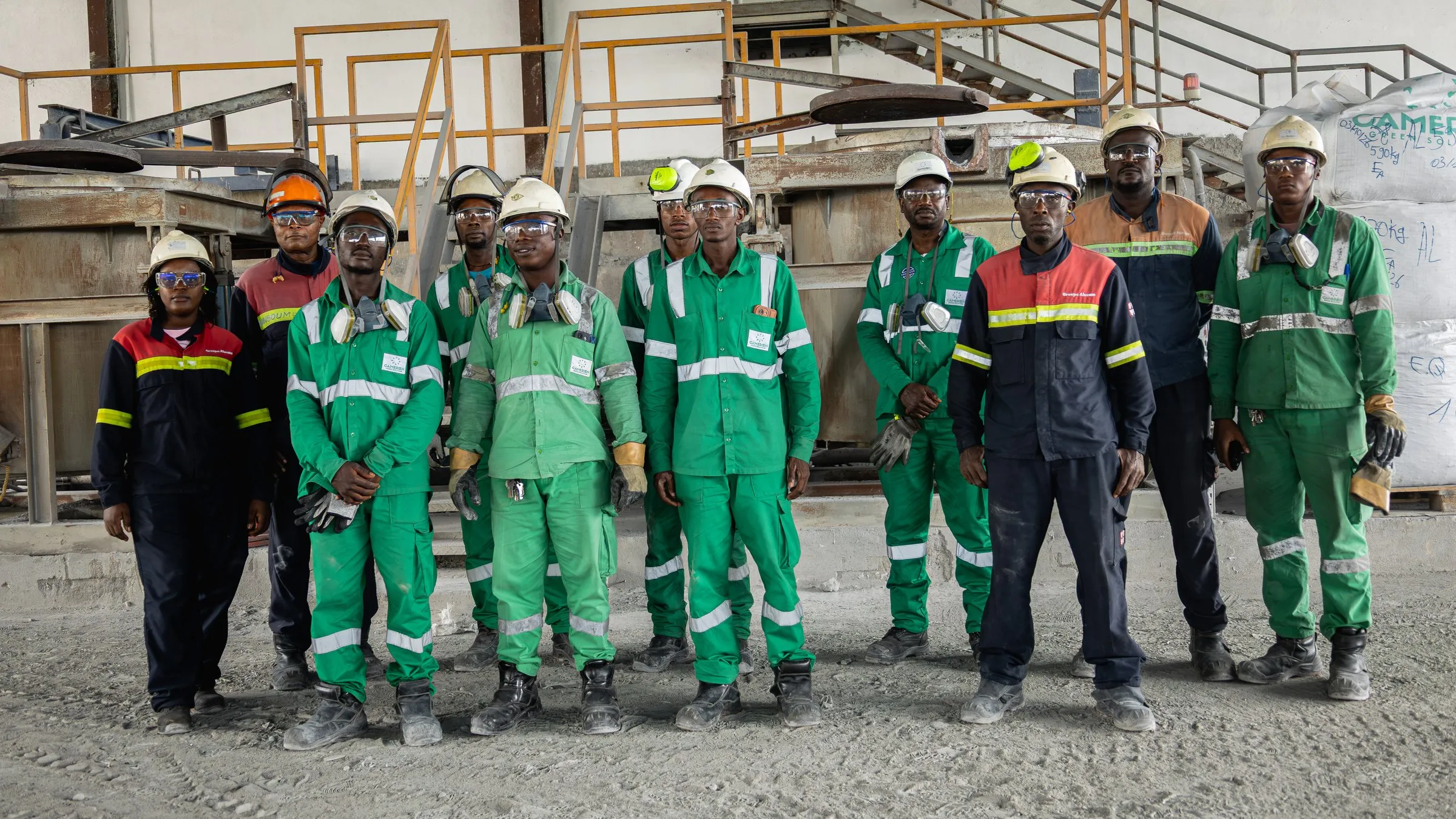

Processing starts with a preliminary sorting of the metal, followed by crushing of the aluminium dross, which produces three particle sizes. Each then follows its own recovery path.
The process, in six steps
Step 1
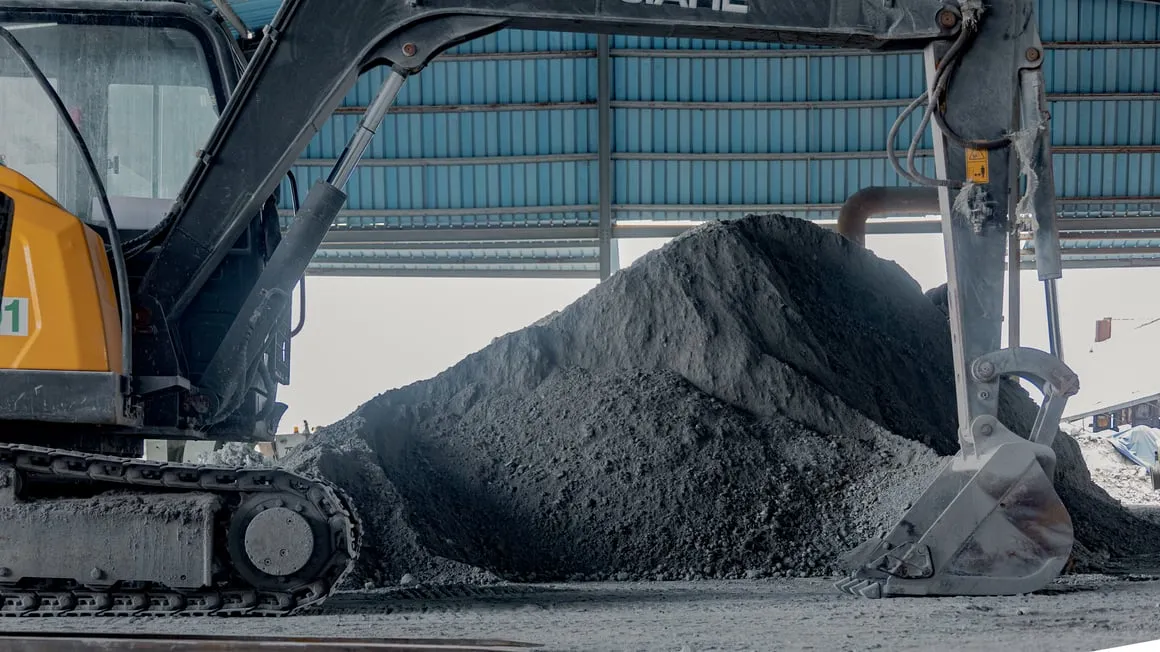
Dross intake
Dross from aluminium production by electrolysis is received for processing.
Step 2
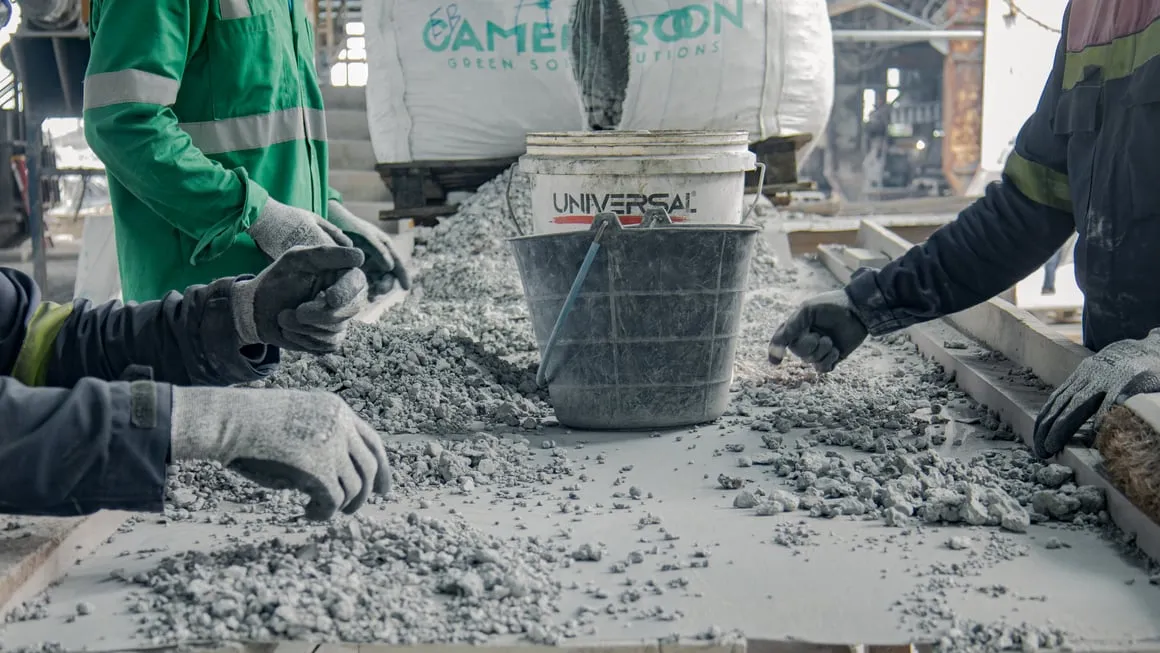
Sorting
Primary sorting removes the metallic aluminium still present in the dross. The rest is then crushed.
Step 3
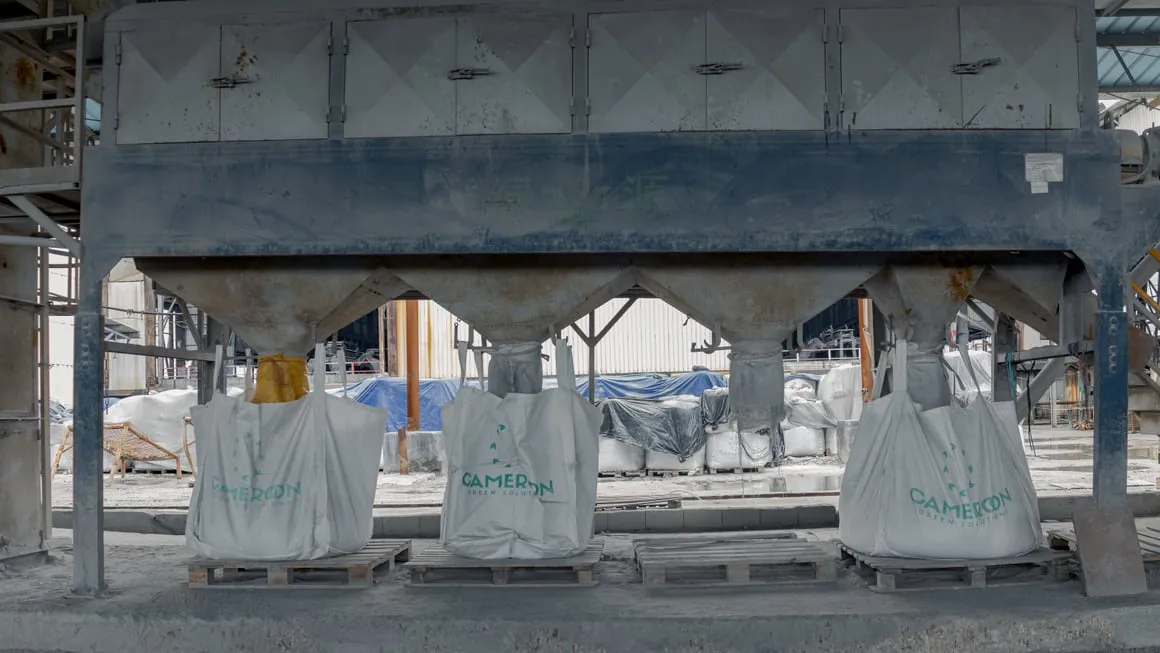
Crushing and sizing
After crushing, the material is separated into three particle sizes: high-grade granules, low-grade granules and an alumina-rich powder.
Step 4
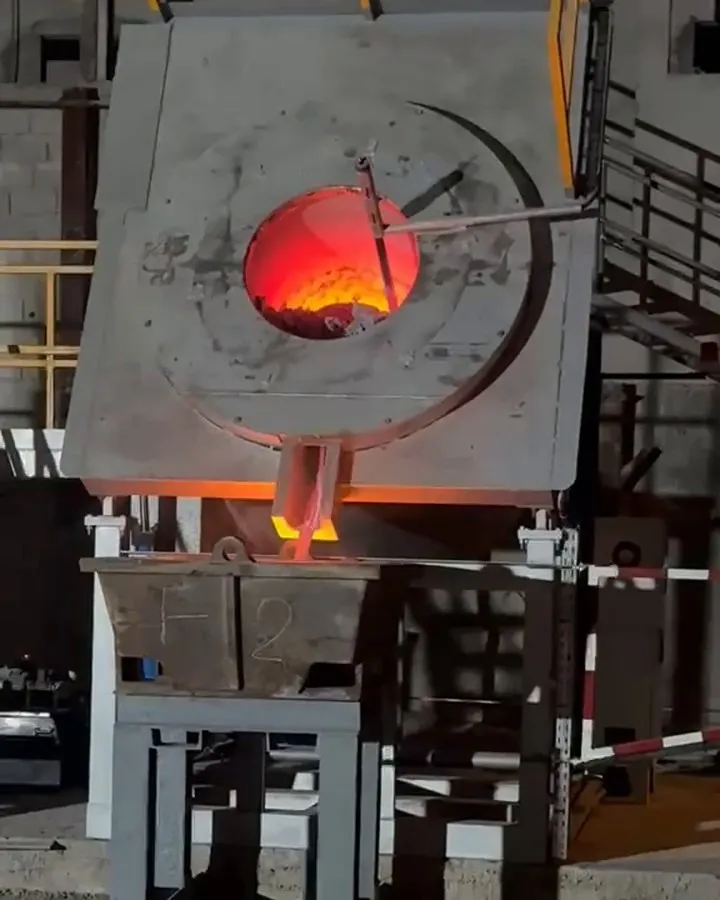
Metal remelting
The sorted metal and the high-grade granules are remelted into one-tonne blooms, which are delivered to ALUCAM.
Step 5
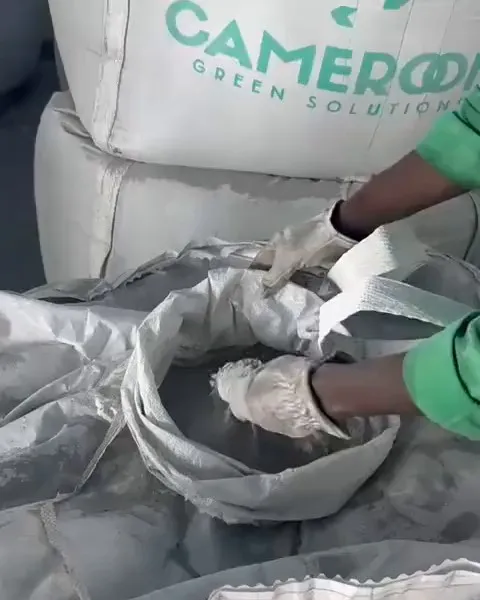
Briquette production
Combined with lime and sodium silicate, the alumina-rich powder allows us to make briquettes.
Step 6
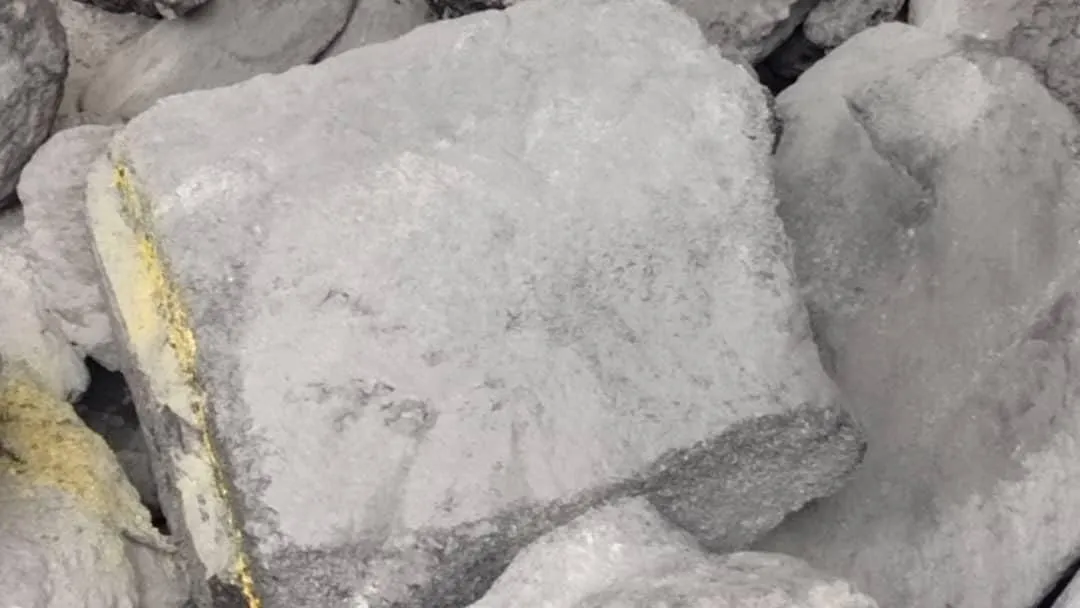
Cathode recycling
This step consists of sorting the spent carbon cathodes by size — above 100 mm — for export to India.
A first in Central Africa
CGS is the first company in Central Africa to recycle and recover waste from aluminium production. It follows in the footsteps of Rio Tinto and Lafarge, which developed applications in Canada for recovering spent carbon cathodes in cement production.